Virginia

Manassas, Virginia, was our next stop. The landscape is forever changing from the desert of the West to unbearable humidity in the East. I am reminded of the effects of the weather back home as we get closer to my hometown of Ottawa, Ontario, and Gatineau, Québec.

© 2017 Louise Levergneux, Prince-William Campground, Manassas, VA

© 2017 Louise Levergneux, Prince-William Campground, Manassas, VA

No time to visit studios, but my internet searches lead me to talented artists’ bookmakers. I was interested in books that reflected the way each of us sees our surrounding landscape. The book Landscape within a book published by Louisa Boyd left an impression.
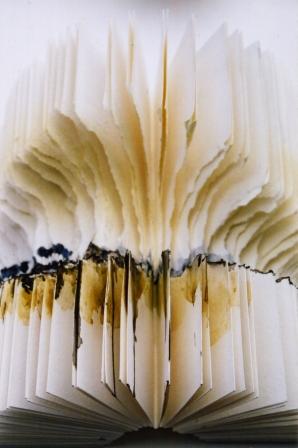
© 2001 Louisa Boyd, Landscape within a book, handbound artists' book, formed by tearing; the imagery was added with watercolour paint and pencils

© 2001 Louisa Boyd, Landscape within a book, handbound artists' book, formed by tearing; the imagery was added with watercolour paint and pencils

© 2001 Louisa Boyd, Landscape within a book, folded with a landscape image painted onto it in watercolour

© 2001 Louisa Boyd, Landscape within a book, folded with a landscape image painted onto it in watercolour

These artists’ books were developed after a series of personal experiences and events that led me to feel at a distance from nature, periods of my life where I lived in cities and found it difficult to experience quiet, serenity, and events such as the foot and mouth epidemic (2001) in the UK that led to large areas of the countryside being temporarily inaccessible. 

It was during these periods of time I started to recognise how important the natural environment was to me and longed to immerse myself in it and portray it through my work, consequently, the themes of restriction and freedom consistently reoccur in this series of works. In this, there is also a wider message of societal detachment from nature. 

Working with books sculpturally allowed me to represent these concepts in this instance. Pages were used restrictively to only give glimpses of information contained within them due to cut work, how they are bound and exhibited. Images are broken by the pages and disjointed. 

Many of my books are not meant to be opened with pages turned, they are meant to be viewed only as a three-dimensional form. This series of works use this format more so than any of my later pieces. The books are bound on tapes of paper with linen thread using a multiple signature binding. They have no covers.


How do you see your landscape?

How do you portray your surroundings?

How do you view where you live?

Let me know, I would love to hear.

West Virginia, Part 1

We left the Smoky Mountains to visit with friends Alex and David Bennet at the Mountain Quest Institute near Frost, West Virginia.

In this majestic landscape, I ventured to visit the wonderful and impressive horses on the grounds of the Institute. 

© 2017 Louise Levergneux, waiting and ready for a photo

© 2017 Louise Levergneux, waiting and ready for a photo

© 2017 Louise Levergneux, finally the correct shot

© 2017 Louise Levergneux, finally the correct shot

© 2017 Louise Levergneux, thanks for the photo

© 2017 Louise Levergneux, thanks for the photo

As I walked the land, I noticed silver threads of a cob web in the corner of a fence produced by the sun’s rays and a yellow-coloured fly sitting for a photograph. Do you recognize this fly? Is it native to West Virginia?

© 2017 Louise Levergneux

© 2017 Louise Levergneux

Insects as a subject never attracted me till my project Outside the Studio. I incorporated a few bees and beetles and enjoyed catching butterflies fluttering about with my camera.

Libby Barrett’s books capture my attention as I write this post. Libby lives and works in Maine and is often inspired by insects. Many of her book ideas offer possibilities for unusual interpretations.

Libby expresses her love for puns and interest in invertebrates in her artists’ book Web Site. This book is a whimsical interpretation of the theme of an exhibition entitled Spineless Wonders presented at the University of Southern Maine. The four-sided drop box holds an origami spider who's waiting for dinner. 

© 2009 Libby Barrett, Web Site

© 2009 Libby Barrett, Web Site

There in the corner, or under the stair, 

behind the bookcase, or most anywhere anywhere

waiting........ 
Silken thread woven, the vigil begins

hoping that dinner will be captured therein

waiting....... 

The web trembles, dinner has arrived

On today's menu, bluebottle fly


For the same show, Libby published an artists’ book entitled Coleoptera. The specimen box is full of little books about beetles. The illustrations are a combination of watercolour and coloured pencil. Each shell swivels to reveal information about the particular beetle illustrated or about beetles in general, and each book is secured in the box with a pin. 

© 2009 Libby Barrett, Coleoptera

© 2009 Libby Barrett, Coleoptera

© 2009 Libby Barrett, Coleoptera

© 2009 Libby Barrett, Coleoptera

© 2009 Libby Barrett, Coleoptera

© 2009 Libby Barrett, Coleoptera

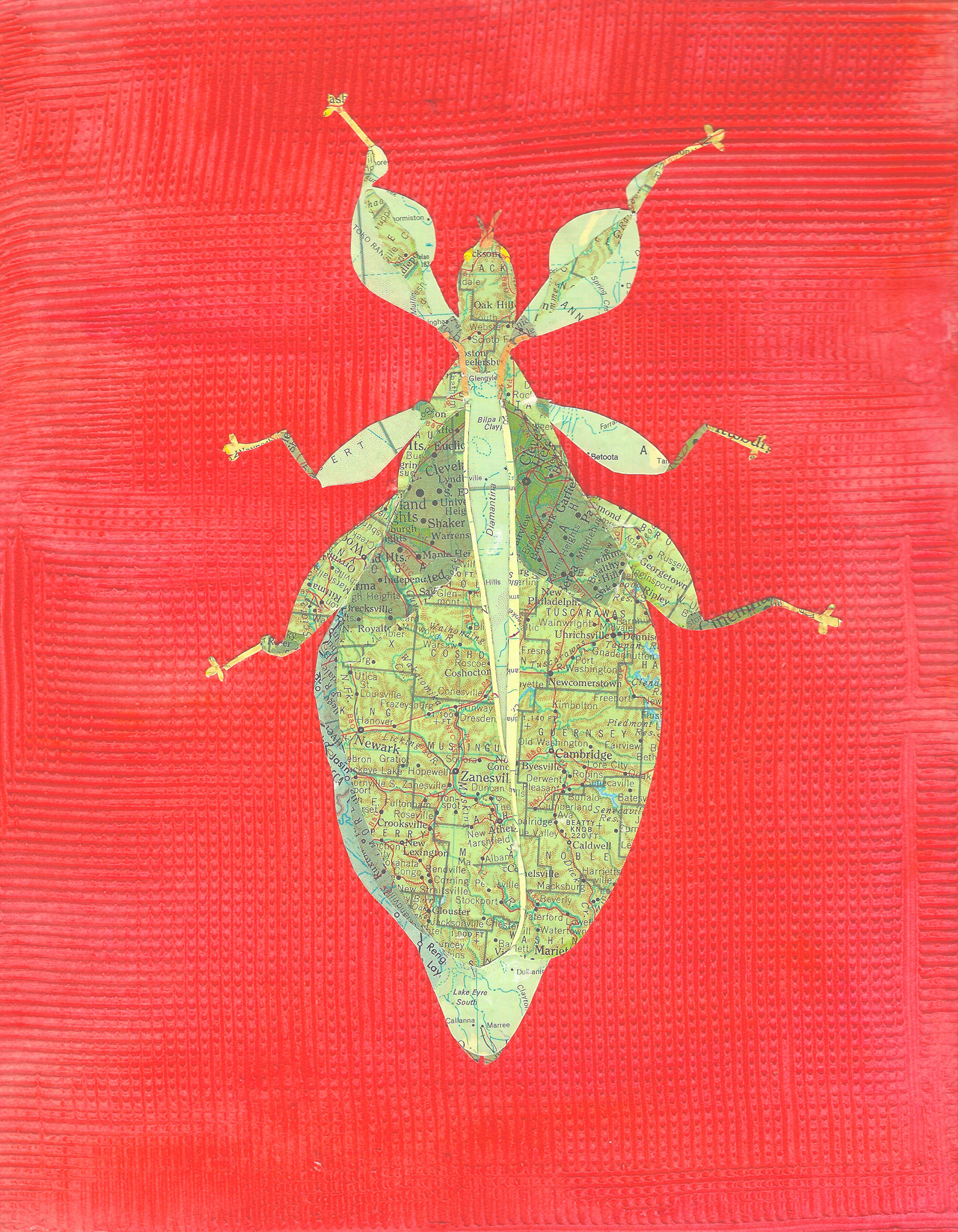
Libby’s latest book Travel Bugs incorporates a series of collages of beetles for which she uses old maps and atlases as collage material. 

© 2017 Libby Barrett, Travel Bugs

© 2017 Libby Barrett, Travel Bugs

© 2017 Libby Barrett, Travel Bugs

© 2017 Libby Barrett, Travel Bugs

© 2017 Libby Barrett, Travel Bugs, detail

© 2017 Libby Barrett, Travel Bugs, detail

This book produced for a group exhibit where the only guideline was that the book structure had to be based on the accordion structure. I decided to stay with the basic structure and use images of my travel bugs as the subject matter. I wish that I could say that the cover paper was my design, but it came from my stash of purchased paper. I chose it because it made me think of the meandering path a bug might take.


Watch your environment and see what surrounds you. Let me know what inspires you from the world’s details.


Comment Note: I would love to respond to the comments I receive. Unfortunately, Squarespace does not provide the name of the commenter and no way for me to respond, unless I respond to the comment directly on the blog. I would love to reciprocate your time and comment on my last blog post--please end your comment with email address or name. Thanks for your comments, please continue!

Tennessee

At this point in our journey—in real life—Nashville, was on the horizon to visit with friend Dana Ryan Perez, I already wrote that post, so to the next city. But not before we lay our eyes on Dana's sense of colour. 

© 2017 Dana Ryan Perez, what a wonderful spot to sit and relax, Clyde seems to think so.

© 2017 Dana Ryan Perez, what a wonderful spot to sit and relax, Clyde seems to think so.


We took a few days off from traveling and camped in the Great Smoky Mountains National Park which straddles the border between Tennessee and North Carolina. The sprawling landscape encompasses lush forests and an abundance of Mimosa trees still in bloom. The view and greenery were refreshing after crossing Kansas, and Oklahoma, but the forest brought unbearable dampness. Dry! Dry! Dry! is the reason we enjoyed the West so much.

Mimosa Tree

Mimosa Tree

The park encompasses 816.28 square miles (2,114.15 km2), making it one of the largest protected areas in the eastern United States. We entered the main park entrance located just East of the town of Gatlinburg, Tennessee.


I’m still searching for moments in life. How do other artists see these moments and create from them?

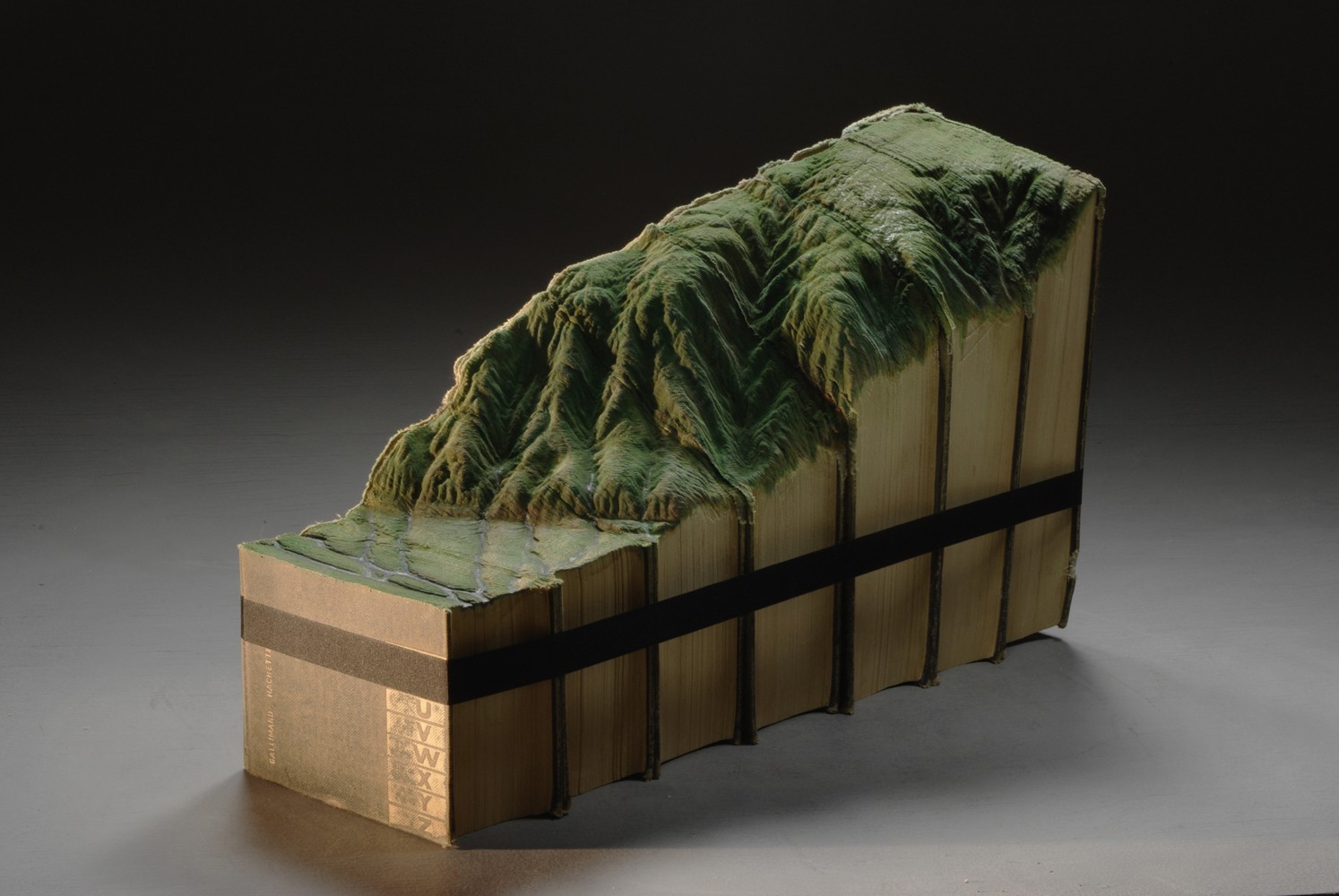
If you love mountains for what they represent for you, you will love Guy Laramée’s  carved book landscape entitled El amor for las montanas.  

A Mexican artist friend of Guy summed up his long-standing love affair with the landscape with El amor por las montañas nos curaraOur love for mountains will heal us.

© 2012 Guy Laramée, El amor por las montañas nos curara. Carved Litré dictionary, inks. 43 x 14 x 27cm (15 x7 x11 inches)

© 2012 Guy Laramée, El amor por las montañas nos curara. Carved Litré dictionary, inks. 43 x 14 x 27cm (15 x7 x11 inches)

© 2012 Guy Laramée, El amor por las montañas nos curara.

© 2012 Guy Laramée, El amor por las montañas nos curara.

Heal us of what? 

Of over thinking? 

Of our obsession with knowledge? 

Of greed?

In fact, it doesn’t matter. Once recovered from a health issue, the only thing you can say is “sickness is over”. Health is like love. Try to describe it and you’re out of it.

© 2012 Guy Laramée, El amor por las montañas nos curara.

© 2012 Guy Laramée, El amor por las montañas nos curara.

© 2012 Guy Laramée, El amor por las montañas nos curara, detail.

© 2012 Guy Laramée, El amor por las montañas nos curara, detail.

The 13th-century Zen master Dogen was going more or less in the same direction when he said: Although it is said mountains belong to the country, they actually belong to those who love them.

© 2106 Guy Laramée, TIBETAN CHINESE, altered Tibetan-Chinese dictionary, inks, pigments 15,25 x10,15 x 20(h) cm

© 2106 Guy Laramée, TIBETAN CHINESE, altered Tibetan-Chinese dictionary, inks, pigments 15,25 x10,15 x 20(h) cm

Now tell me, do mountains belong to mountain lovers or is it the opposite, mountain lovers belong to mountains? What does “belong” mean, when we are uncertain that we own our own bodies? Is it that we actually belong to “all this”, to “life”? When you feel most alive, don’t you feel that “something” bigger than you runs in your veins? My work is about making us feel more alive. It is about losing yourself in the landscape and paradoxically, finding out you are the source of it all.

Haiku translator, poet, and writer Robert Blyth went in the same direction when he wrote: The mind is seen in the stone.

I would like my art to allow you to you see yourself in a stone. Because ultimately, we are not in the world, the world is in us.


Get inspired by finding more moments to express.

Oklahoma

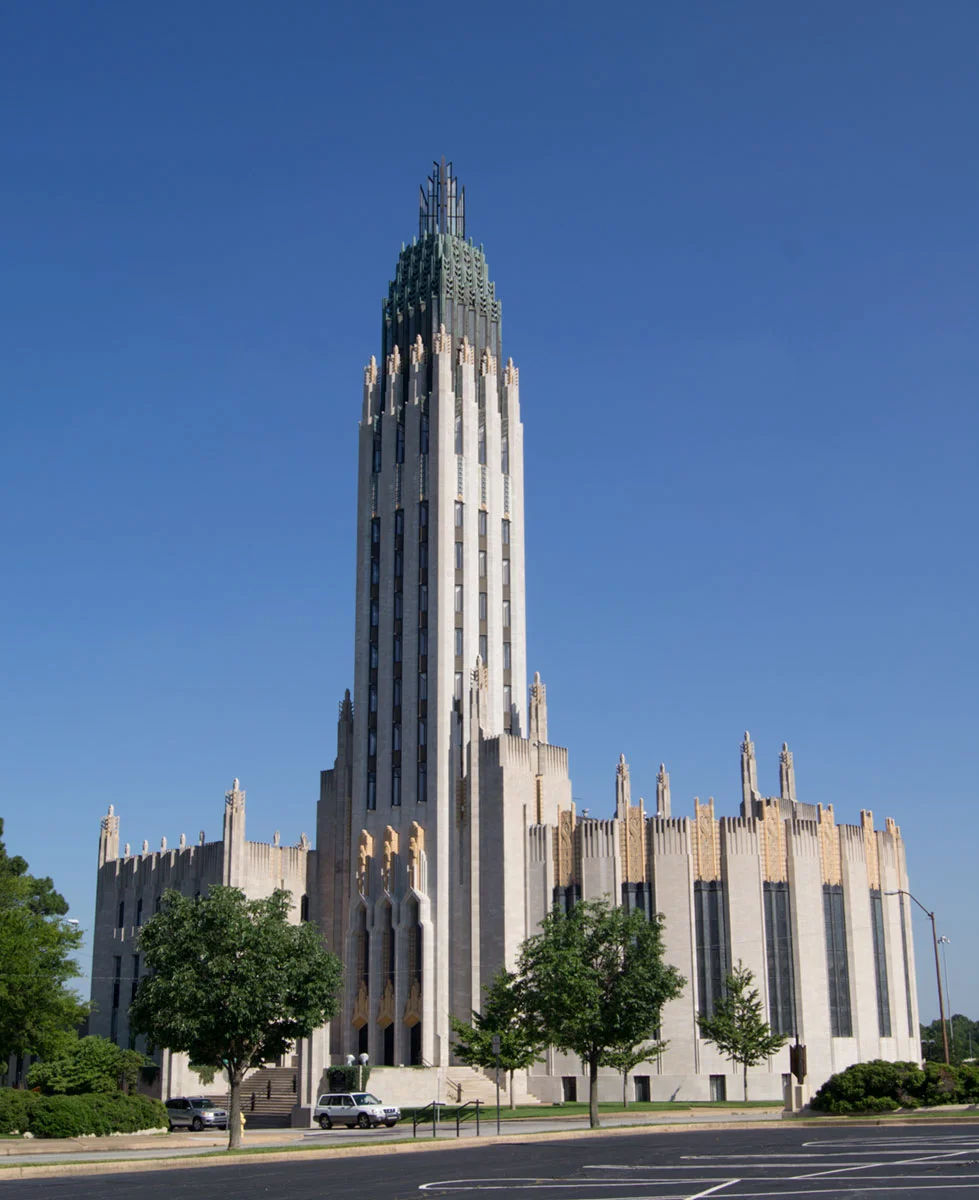
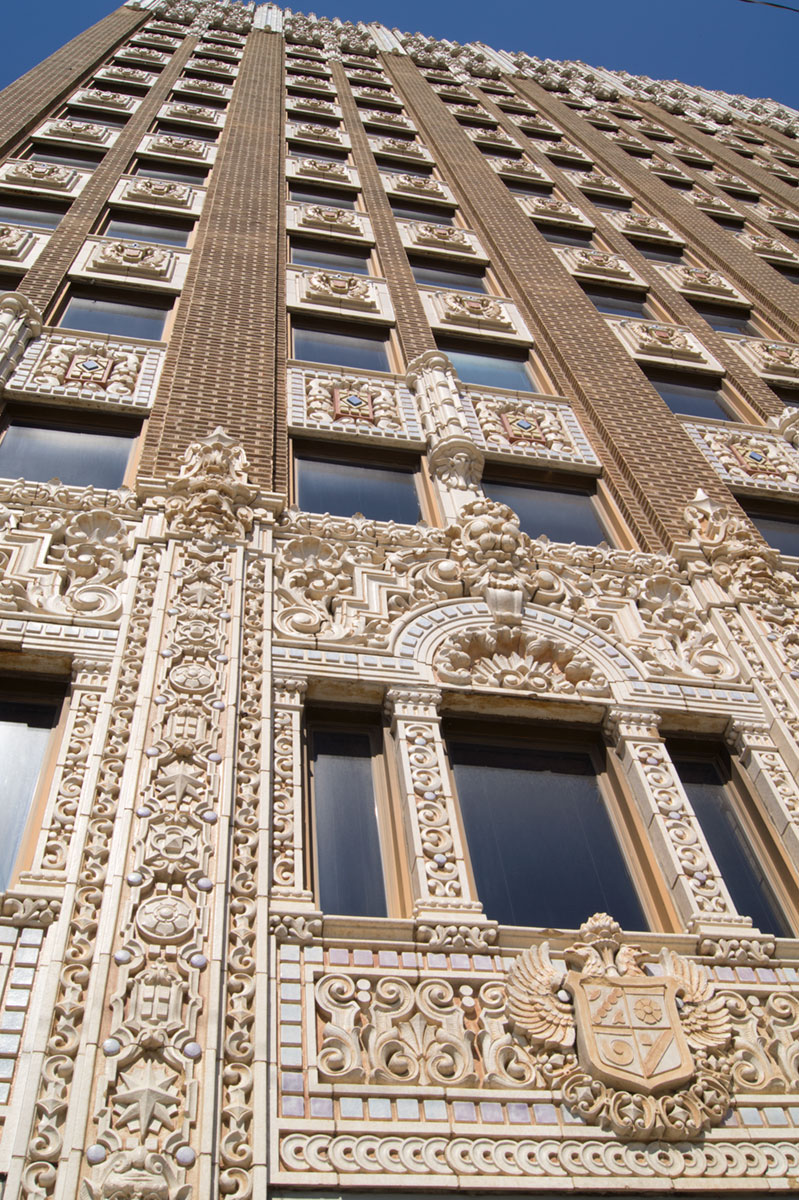
We made a stop in Tulsa, Oklahoma, one of the United States’ largest concentration of Art-Deco architecture. Art-Deco can be found throughout the city's older neighborhoods, in downtown and midtown. 

Mouth open, viewing amazing details all the way to the top of the Boston Avenue Methodist Church. The soaring 225 foot (68.5m) straight lines of the tower provide physical, visual, and philosophical linkage to the Gothic Cathedrals of past ages. The design of the edifice is credited to Adah Robinson and Bruce Goff.

© 2017 Louise Levergneux, Boston Avenue Methodist Church

© 2017 Louise Levergneux, Boston Avenue Methodist Church

© 2017 Louise Levergneux, Boston Avenue Methodist Church detail

© 2017 Louise Levergneux, Boston Avenue Methodist Church detail

© 2017 Louise Levergneux, Blue Dome, built in 1924, served as the White Star Gulf Oil Station in the day.

© 2017 Louise Levergneux, Blue Dome, built in 1924, served as the White Star Gulf Oil Station in the day.

© 2017 Louise Levergneux, Alfred C. Fabry was the architect of the Mincks-Adams Hotel. The building is 195 feet (59m) high, making it the 18th tallest building in Tulsa.

© 2017 Louise Levergneux, Alfred C. Fabry was the architect of the Mincks-Adams Hotel. The building is 195 feet (59m) high, making it the 18th tallest building in Tulsa.

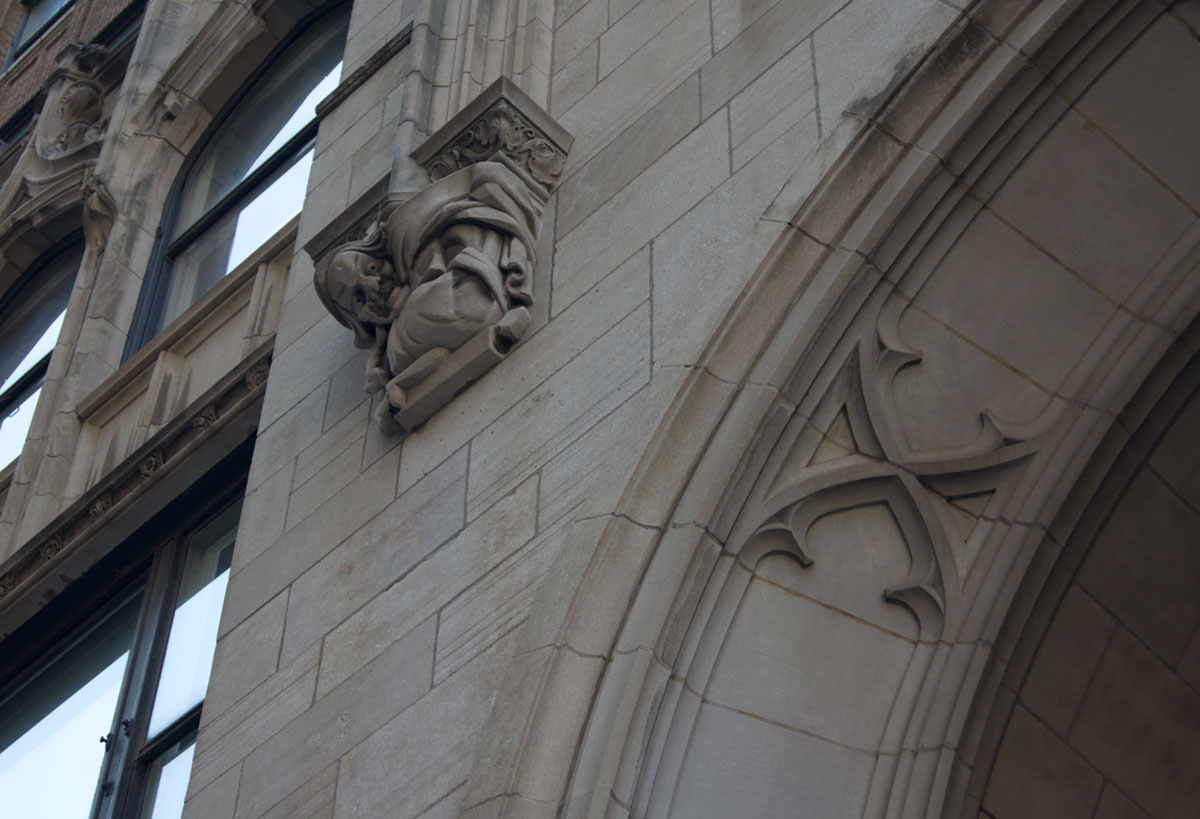
I enjoyed the gargoyles presiding above the Boston Avenue entrance to the lobby of The Philtower, which complements the tower’s exterior.

© 2017 Louise Levergneux, The Philtower, detail

© 2017 Louise Levergneux, The Philtower, detail

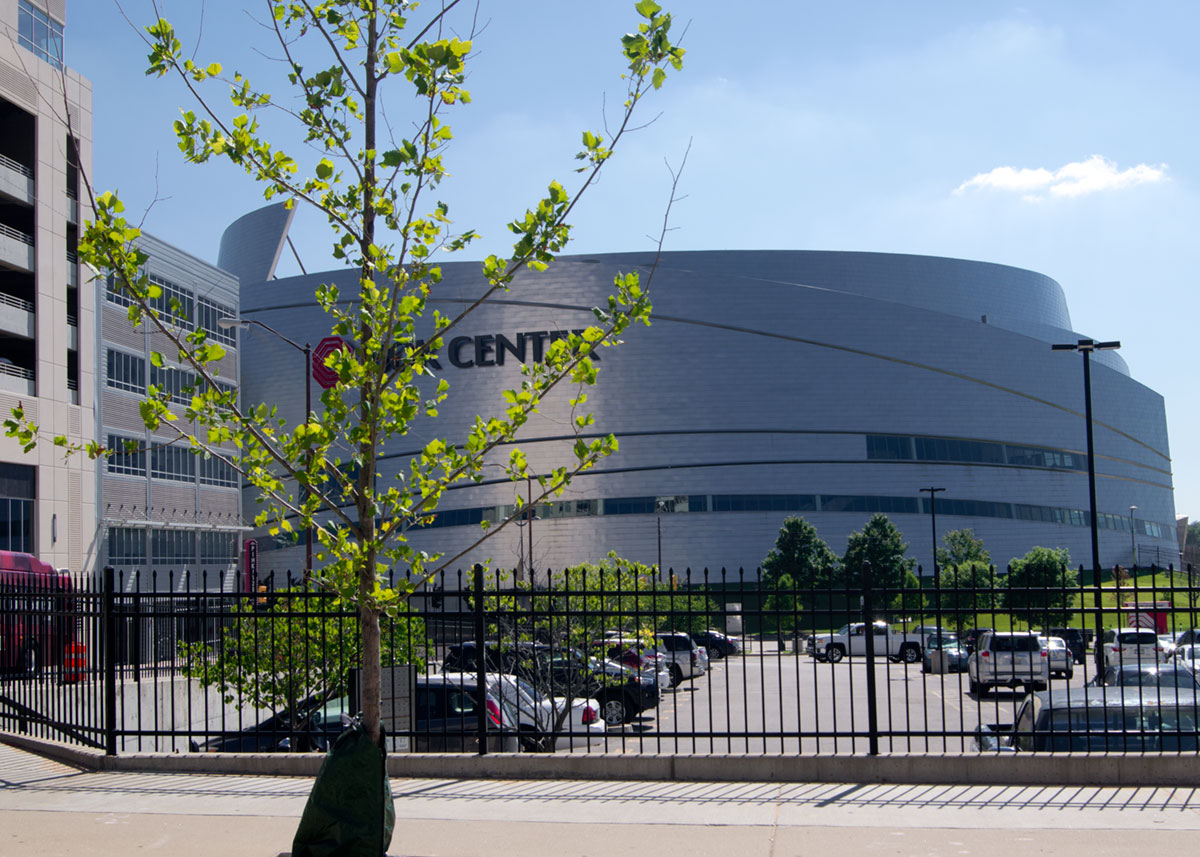
The BOK Center, designed by César Pelli, is Tulsa's new arena which incorporates many of the city's prominent themes—Native American, Art-Deco, and contemporary architecture.

© 2017 Louise Levergneux, The BOK Center

© 2017 Louise Levergneux, The BOK Center

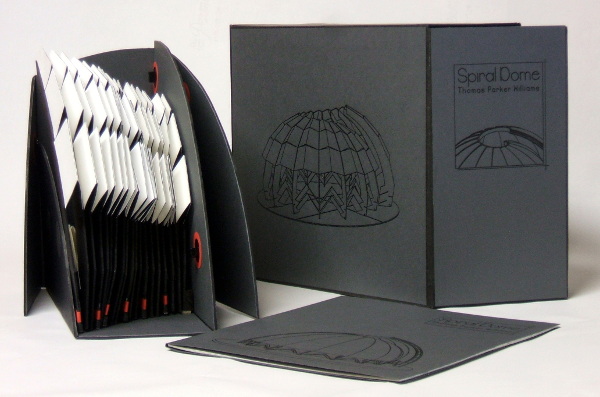
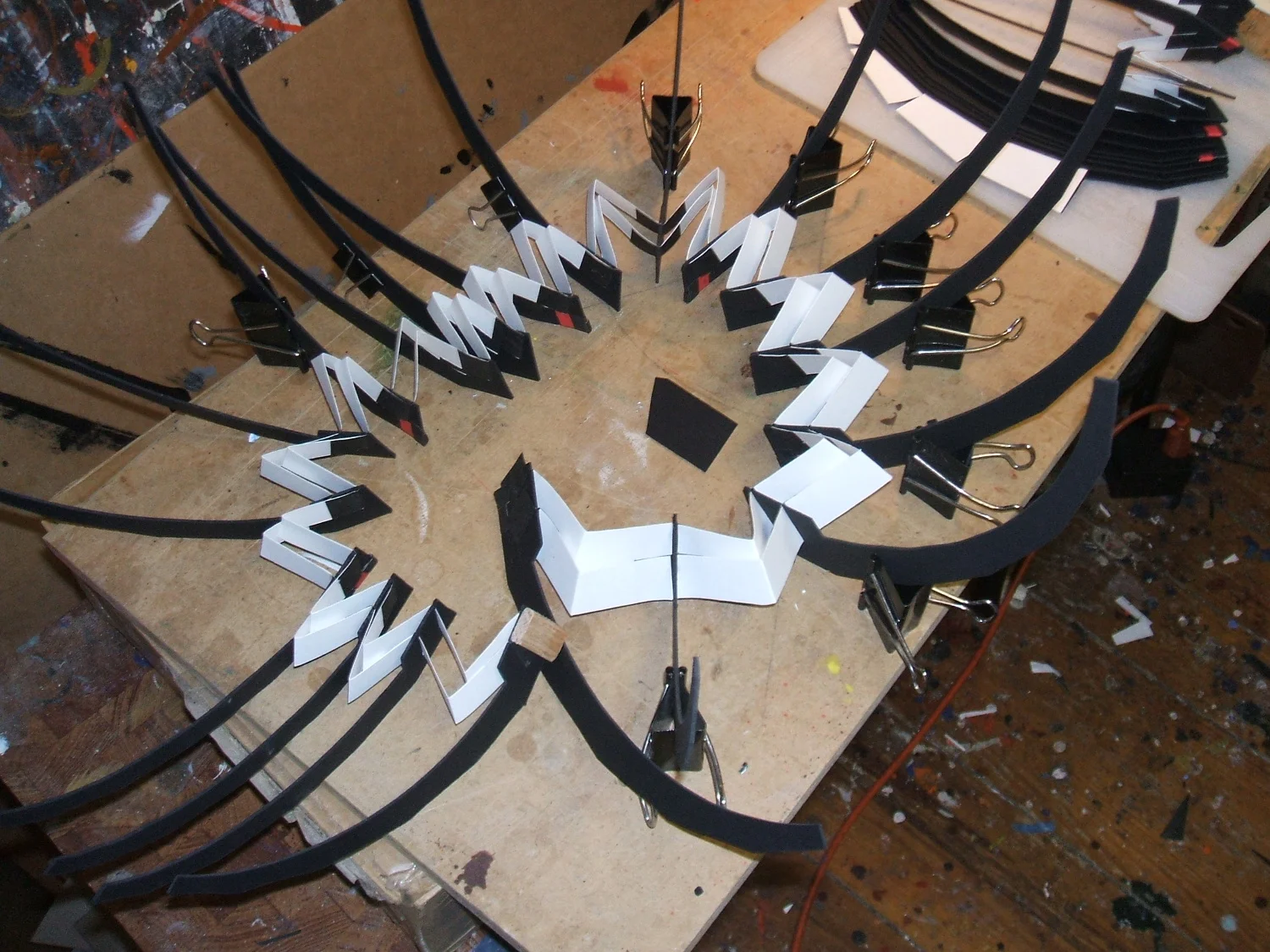
This city and its architecture brought to mind Thomas Parker Williams artists’ book entitled Spiral Dome.

© 2016 Thomas Parker Williams, Spiral Dome

© 2016 Thomas Parker Williams, Spiral Dome

Spiral Dome began as an idea for a call from a museum in Philadelphia to respond to one of the books in their collection. The book was an 18th-century handbook for building construction. I have always enjoyed James Turrell's Skyspaces and thought about doing something like that with 18th-century construction methods. I made my proposal and did not get in the show but the idea would not die. 

After many trials and testing, Thomas figured out how to make his artists' book a pop-up that would fold into a box. 

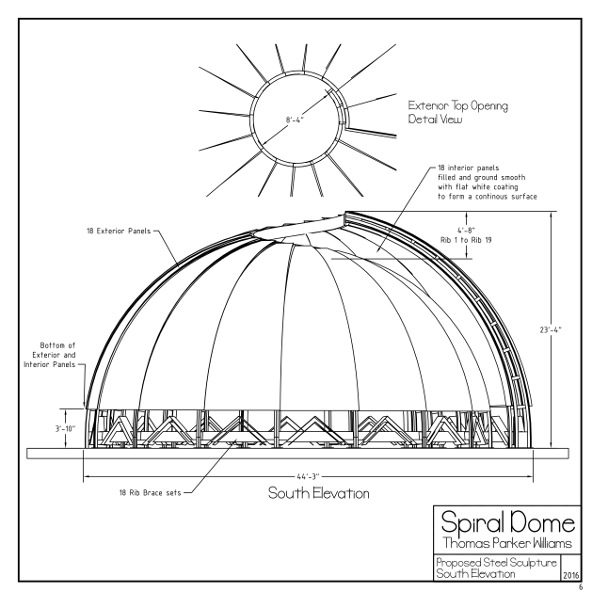
As I was designing the parts, I thought this concept could also be executed in steel as a real temple like structure, and the book "Spiral Dome:  Sculptures in Paper and Steel" was born. 

© 2016 Thomas Parker Williams, Spiral Dome

© 2016 Thomas Parker Williams, Spiral Dome

© 2016 Thomas Parker Williams, Spiral Dome, mounted on a six-part folding base, the book fits into a storage box.

© 2016 Thomas Parker Williams, Spiral Dome, mounted on a six-part folding base, the book fits into a storage box.

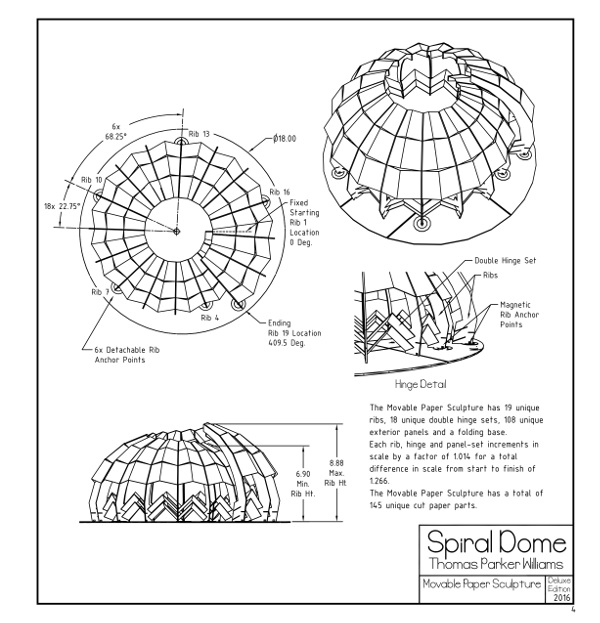
The Paper Sculpture is a movable book made of 145 unique cut paper parts bound with black Tyvek. The 145 unique parts include 19 ribs, 18 double hinge sets, and 108 exterior panels that form 18 sections. The starting rib is fixed to the base. To facilitate display, ribs 4, 7, 10, 13, 16 and 19 contain magnets that connect with steel contact points on the base.

© 2016 Thomas Parker Williams, Spiral Dome

© 2016 Thomas Parker Williams, Spiral Dome

Spiral Dome was designed with 3D CAD software. 145 unique parts for the Movable Paper Sculpture were cut and assembled by hand. Ribs, base, and box are constructed of museum board; various papers were used for the panels and hinges. The hinge connectors and binding material are black Tyvek. Covers of the storage box and accompanying book are etterpress printed from polymer plates.letterpress printed from polymer plates.letterpress printed from polymer plates.letterpress printed from polymer plates.

© 2016 Thomas Parker Williams, Spiral Dome

© 2016 Thomas Parker Williams, Spiral Dome

© 2016 Thomas Parker Williams, Spiral Dome

© 2016 Thomas Parker Williams, Spiral Dome

© 2016 Thomas Parker Williams, Spiral Dome

© 2016 Thomas Parker Williams, Spiral Dome

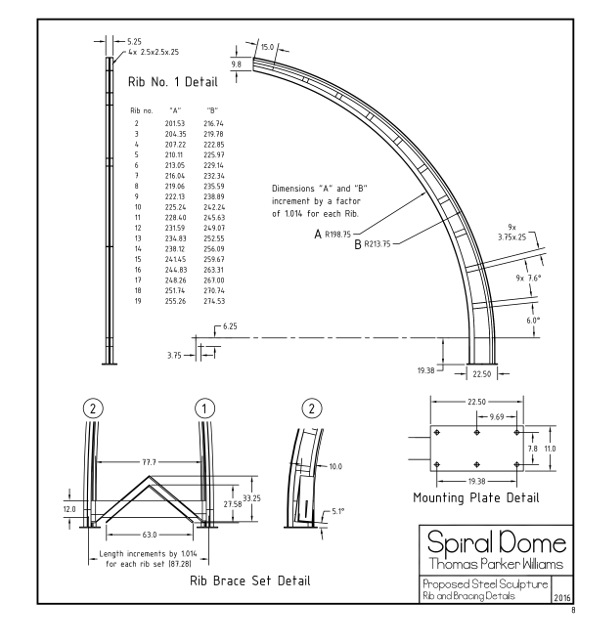
While working on the Spiral Dome Movable Paper Sculpture, I realized it could function as a model for a permanent installation, which I call the Proposed Steel Sculpture. I made preliminary drawings for constructing such a structure. It is illustrated on the cover of the book.

To create the spiral in both models, 18 sections increment in height and dimension from the center of the structure by a factor of 1.014 for each successive section. The last section differs in scale from the first by a factor of 1.2666 or 1.014 to the 17th power. All elements in both sculptures – ribs, hinges or braces, and panels – increment by the same scale factor, as shown in the drawings.

Spiral Dome is part of The UC Berkeley, Environmental Design Library, Special Collections; the Columbia University Avery Architectural and Fine Arts Library; and the MICA, Decker Library, Artist Book Collection.

Don’t forget passed creations will influence your work in the future.

Kansas

Every year, I cross the country via different highways depending on visits to friends and family. The goal of this eastward trip was a visit to my friend, Dana in Nashville, Tennessee, a conference Michael was taking part in Washington, and visiting artists. 

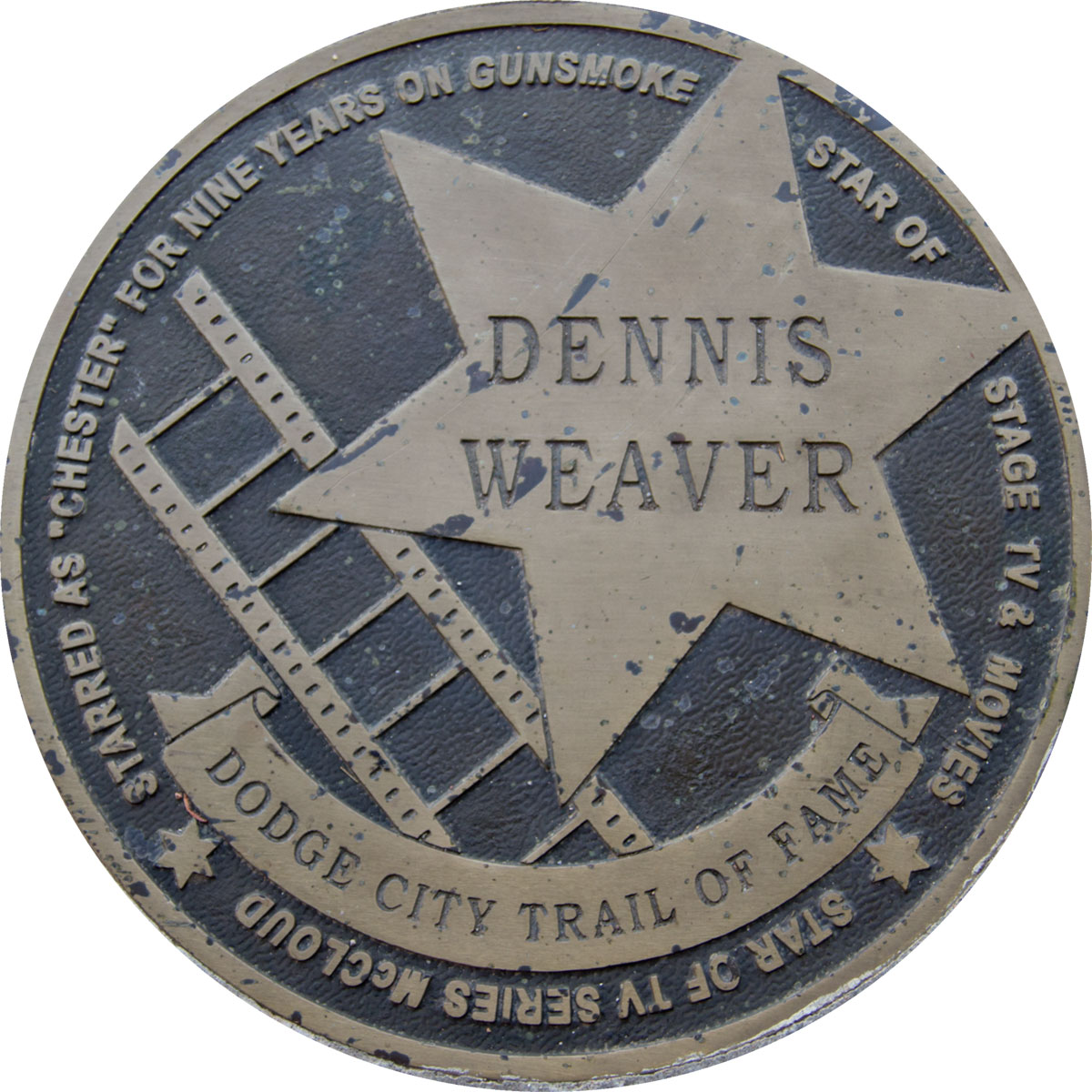
As we crossed Kansas, un séjour in Dodge City was in order. In Dodge City, like most tourists, I followed the Trail of Fame that leads you through the downtown? Twenty-nine bronze medallions and markers are found and comprise citizens who believe in the community. My collection of manhole covers came to mind. What could I do with my series, my collection? How do I continue the project, or do I?

The images below resurrected my project City Shields for a day.

© 2017 Louise Levergneux, Trail of Fame, Dodge City, Kansas

© 2017 Louise Levergneux, Trail of Fame, Dodge City, Kansas

© 2017 Louise Levergneux, Trail of Fame, Dodge City, Kansas

© 2017 Louise Levergneux, Trail of Fame, Dodge City, Kansas

© 2017 Louise Levergneux, Trail of Fame, Dodge City, Kansas

© 2017 Louise Levergneux, Trail of Fame, Dodge City, Kansas

© 2017 Louise Levergneux, Trail of Fame, Dodge City, Kansas

© 2017 Louise Levergneux, Trail of Fame, Dodge City, Kansas


The action of collecting becomes an obsession for artists. Often the attraction to particular items grows parallel to our work. I found another artist who has a compulsion to remember and to be remembered by way of collecting.

Monica Holtsclaw is a book artist, quilter, and sewer of many things. Monica spends most days in her studio in San Rafael, CA, and also teaches at the San Francisco Center for the Book. Find out the dates of Monica's workshops by visiting her calendar page.

Monica’s artists’ book Memory Palace was insightful. The patience to wait and collect to create a book many years later is admirable.

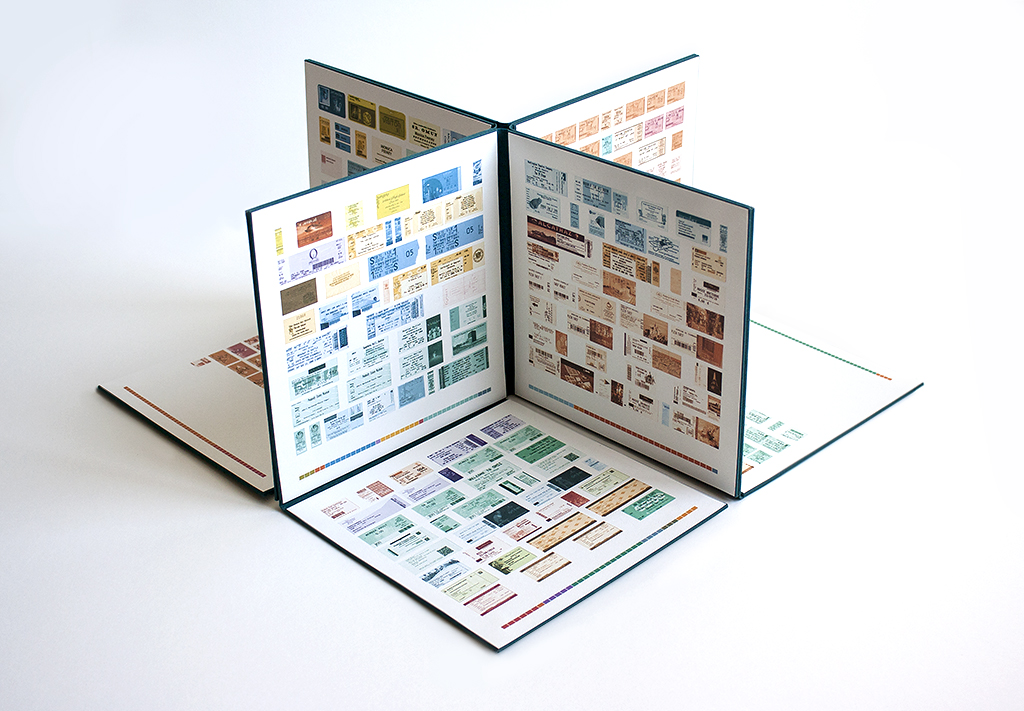
The pages of Memory Palace are a storage place for a range of tokens representing experiences I saved over the last twenty years. In this way it is a vessel, holding objects I can retrieve at any time to awaken memories temporarily forgotten. Codified by color and arranged chronologically, each item signifies a particular time and place. The structure was chosen because of its resemblance to a series of rooms. A memory palace is a mnemonic device which helps a person to catalog and retrieve information. The creation of Memory Palace has allowed me to transform this mnemonic device into physical reality.

© 2015 Monica Holtsclaw, Memory Palace, 8 x 8 x 1.5 inches (closed)

© 2015 Monica Holtsclaw, Memory Palace, 8 x 8 x 1.5 inches (closed)

© 2015 Monica Holtsclaw, Memory Palace, digital prints on 90lb watercolour paper, Iris book-cloth over binder’s board, foil stamped title

© 2015 Monica Holtsclaw, Memory Palace, digital prints on 90lb watercolour paper, Iris book-cloth over binder’s board, foil stamped title

Another edition in the same genre is Monica’s Moving Forward created for the 2015 Hello Hedi Exhibition at 23 Sandy Gallery in Portland. 

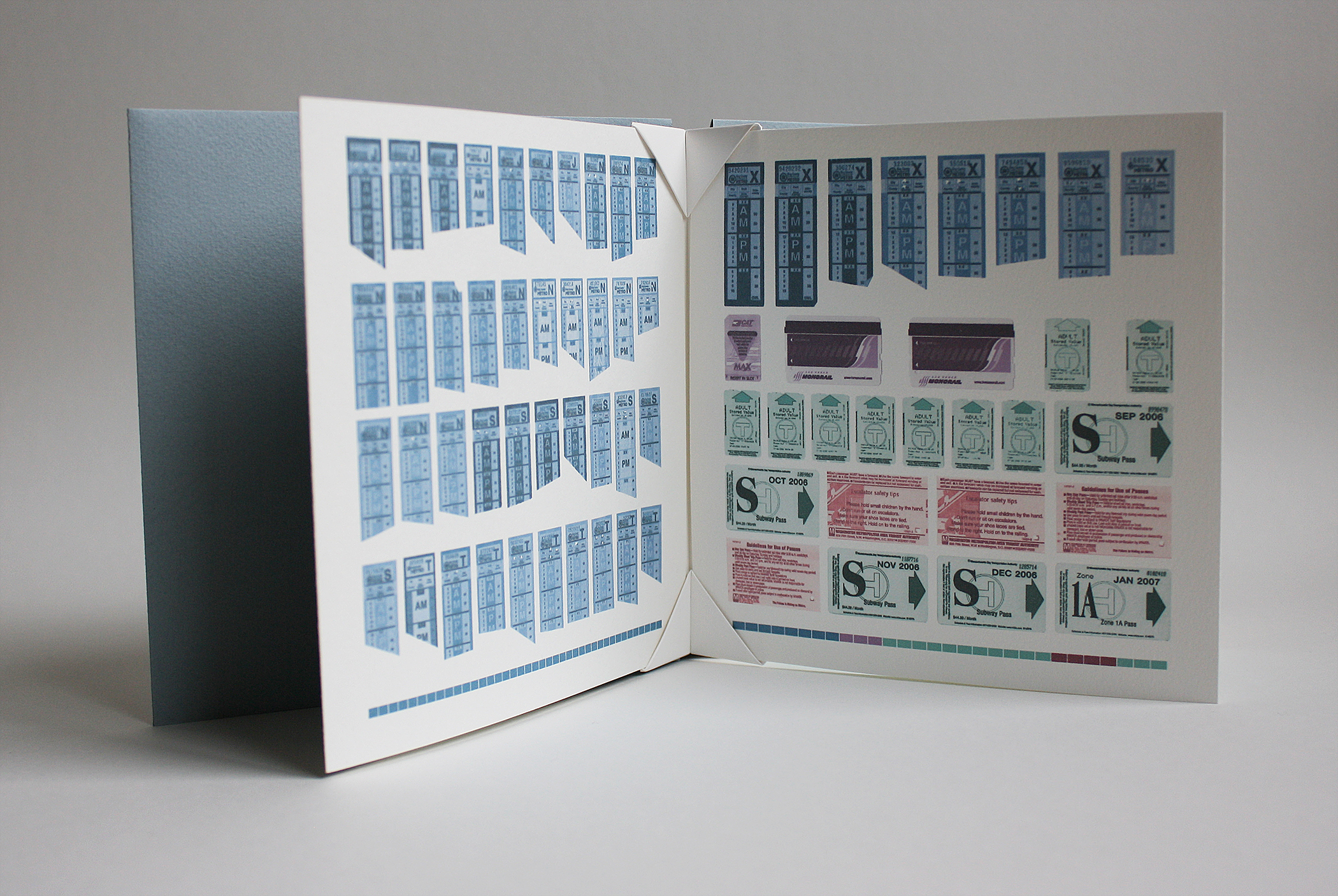
I watched an interview with Hedi Kyle, in which she spoke about her background and gave a tour of her studio. It was a delight to see the objects and structures that influence her, and I saw many of my own interests reflected in what she shared. I found that Hedi is an inspiring collector. I have saved ephemera for years and have been reflecting on what I have saved and have been making work around the theme of these tokens of my past. For this book, I focused on my collection of ground transportation tickets, acquired from 2002 to 2014. I chose Hedi’s Crown Book structure because of the movement of the binding as it opens and its resemblance to spokes of a wheel. 

© 2015 Monica Holtsclaw, Moving Forward, 6.125 x 6.25 x .5 inches

© 2015 Monica Holtsclaw, Moving Forward, 6.125 x 6.25 x .5 inches

© 2015 Monica Holtsclaw, Moving Forward, digital prints on 90lb watercolor paper, Yupo watercolor paper, Fabriano Tiziano paper

© 2015 Monica Holtsclaw, Moving Forward, digital prints on 90lb watercolor paper, Yupo watercolor paper, Fabriano Tiziano paper

© 2015 Monica Holtsclaw, Moving Forward

© 2015 Monica Holtsclaw, Moving Forward

Read what Monica has to say in her own blog posts.


Next stop Tulsa, Oklahoma, what will I find? What will inspire my traveling studio?


The 6 Foot Drop

“I always assume that the person unpacking/re-packing has never worked in a gallery before, that they are an 18-year-old trainee and it's their first day on the job.” 

An artist’s response to my query on packing and re-packing works of art for an exhibition.

In the recent past, I received an artists' book back from a show. It was in its original box, bravo! for matching the box to the artist’s work. Here, the problem was inside the box. The book sat atop a very thin sheet of bubble pack with no protection for its top or sides. I have no qualms in mentioning that the bottom had no protection either. I phoned the gallery and their response was “The gallery ships the books the same way they arrive! 

Of course, for security measures, I pack my books with no protection to survive USPS or UPS delivery. SURE!

Who oversees the procedures for return shipping? Anyone?

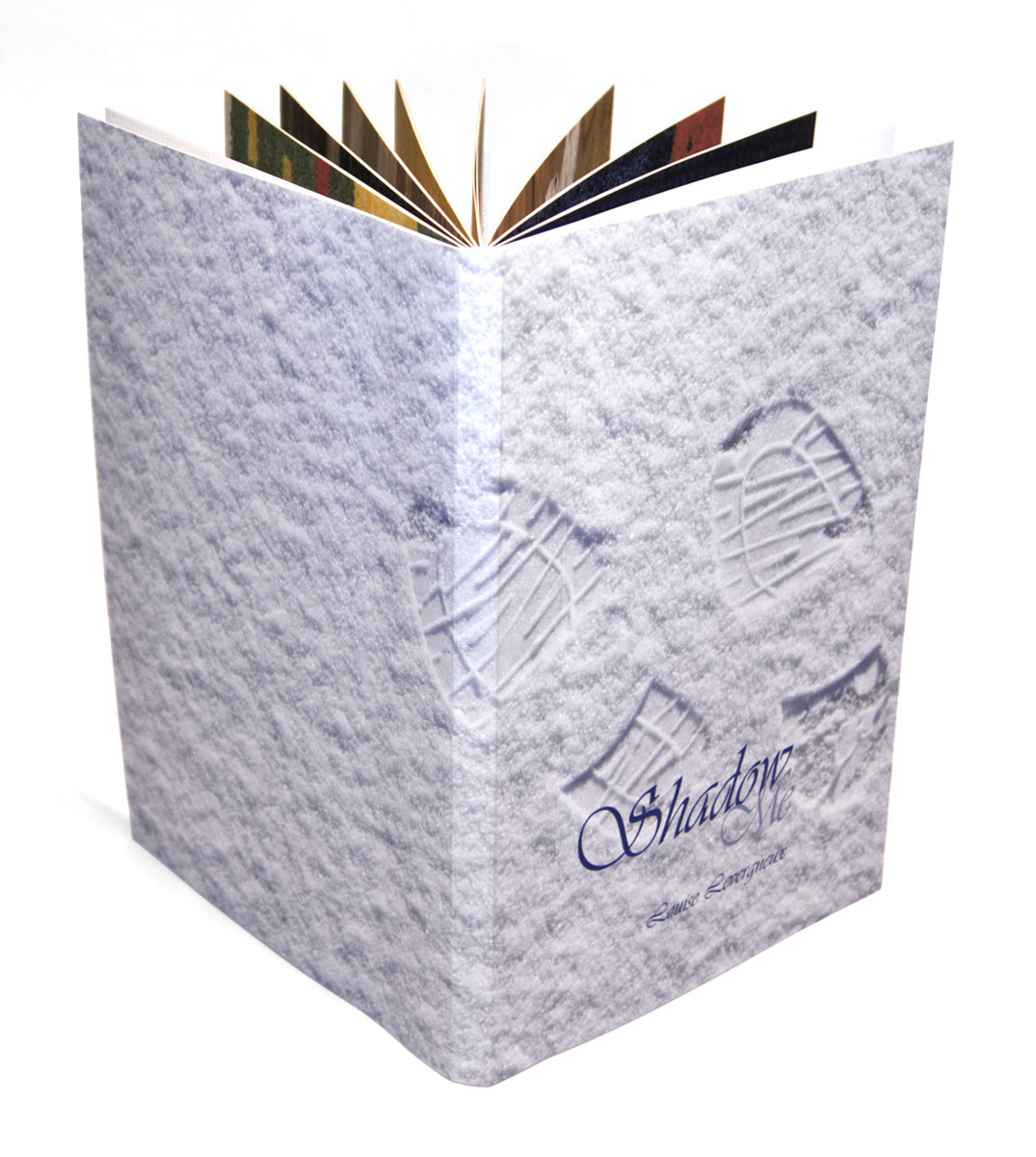
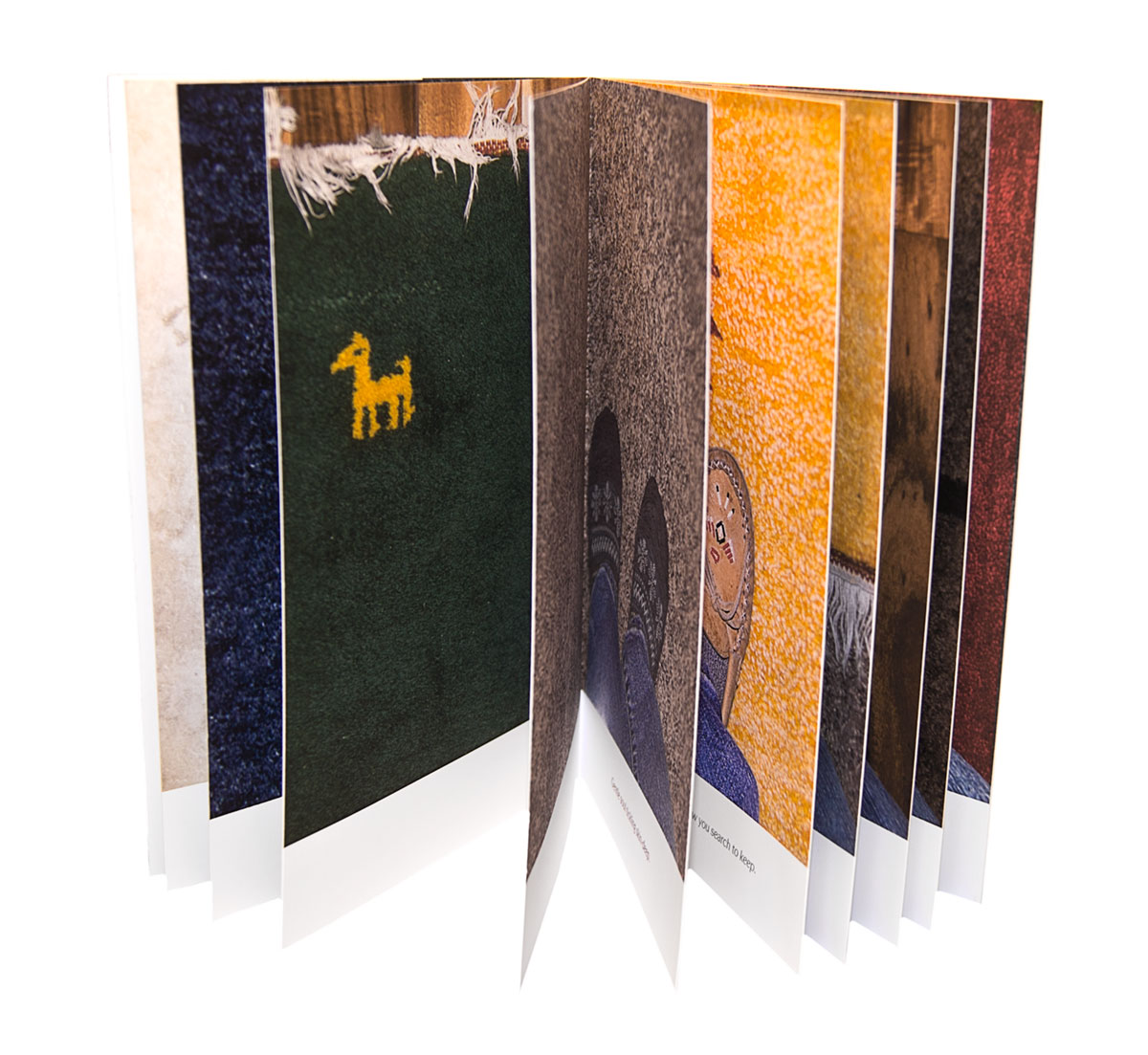
© 2017 Louise Levergneux

© 2017 Louise Levergneux

I don’t believe my book would have survived the six-foot drop the Saskatchewan Craft Council recommends for shipping artwork. If damage had occurred to my artists’ book, who would have been responsible?

“Do you feel a gallery should have insurance for damage, theft, and return shipping conditions”?

In my opinion, the gallery is also responsible for how it takes care of books/work while in their possession.

An experienced binder like Monique Lallier insists on having her bindings and boxes exhibited under glass. Even with her demand one of her gorgeous boxes got a corner banged up. How do we limit these type of accidents or carelessness from happening?

Artists, librarian, curators, and staff should read the article Proper Care and Handling of Books by the Library of Congress.


This brings us to insurances! “Who should pay the insurance costs?

This year I made a conscious decision to no longer exhibit my work in galleries without the artists work insured for the duration of a show. According to a Boise gallery, an invited artist should not refuse to exhibit hundreds of dollars worth of work for lack of insurance on the gallery’s part. Most galleries make sure with their contract that they are not responsible for any stolen/damaged artwork. I realize we always take a chance when exhibiting, but the galleries/curators need to take responsibility. How, would galleries survive without us?

One can’t place all galleries in the “I will never exhibit there again” category. 

A few galleries are superb at taking responsibilities, I have found 23 Sandy Gallery in Portland and the MCBA in Minnesota, both respectful of book artists and their work.

© 23 Sandy Gallery

© 23 Sandy Gallery

Food for thought! Make sure you are content with the understanding between the gallery and the artist. Read the contract carefully; if you don’t like what’s written, say no to the invitation. Better not to exhibit than to be sorry. 

“Don’t forget during your decision-making that there is a tendency for the artist to be the last person considered when people are thinking about money and art”—Cathryn Miller

Be aware and make good decisions... Enjoy your exhibitions without regrets!