In 2022 and 2023, I experienced creative momentum. My recurring summer journeys to California became a catalytic site for conceptual development, giving rise to multiple book projects. One idea explored the notions of “before” and “after,” transformation, temporal rupture, and shifting perception. From this reflection emerged Paradigm Shift, an artist book rooted in these concerns.
As the project evolved, the question of structure became central. In seeking a form that could sustain continuity without a fixed beginning or end, I chose the coverless accordion format over a linear one. This structure supports the work’s cyclical logic and reflects its engagement with transition, nonlinear experience, and the instability of perception.
I Paradigm Shift considers transformation not as a singular event, but as an ongoing condition. The work inhabits a threshold state in which perception shifts, meaning is continually reconstituted, and the environment functions not as backdrop but as an extension of identity, memory, and relation.
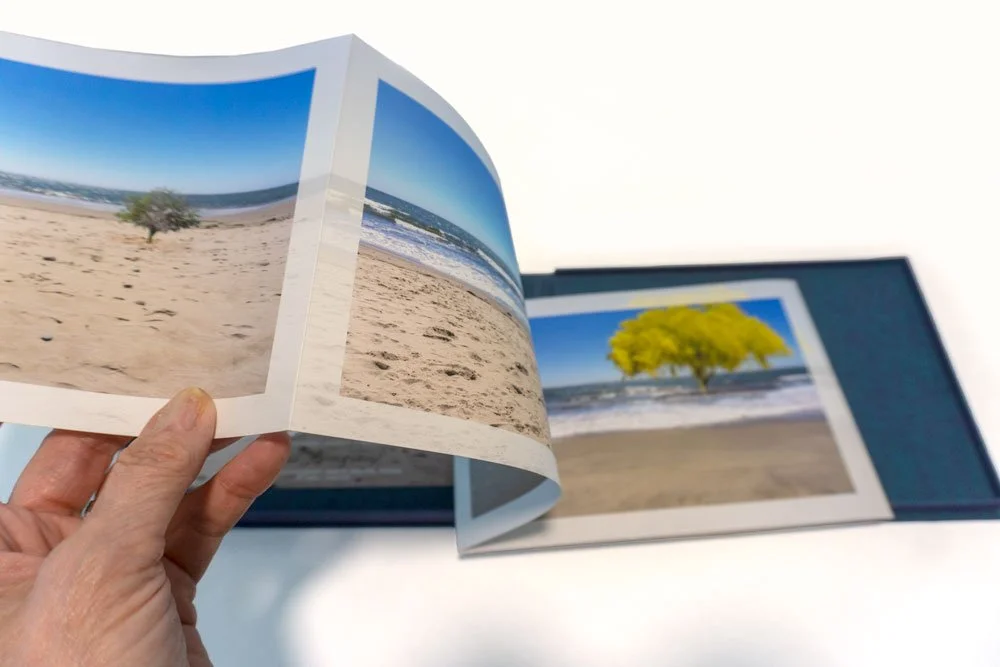
© 2025 Louise Levergneux. Pagination of the sequence of Paradigm Shift as a cyclical encounter with the book.
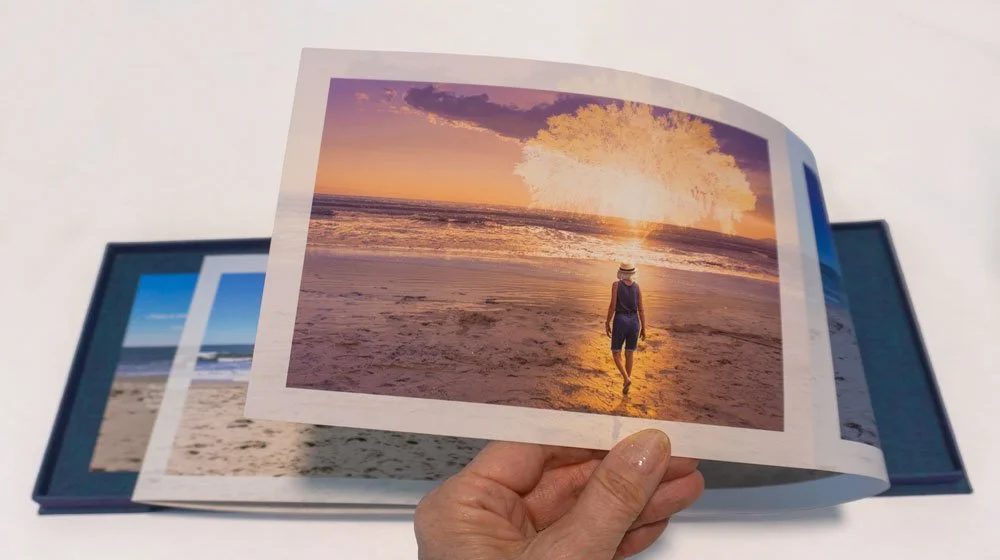
© 2025 Louise Levergneux. Following the fourth and final panel, the reader is invited to turn to the verso to enter the work’s second movement.
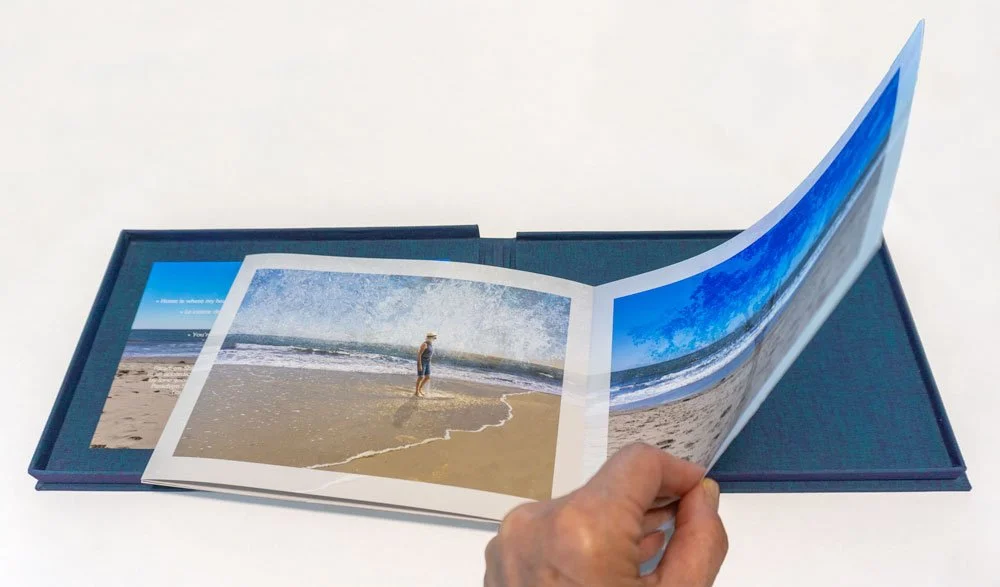
© 2025 Louise Levergneux. The final page functions not as closure, but as a threshold…
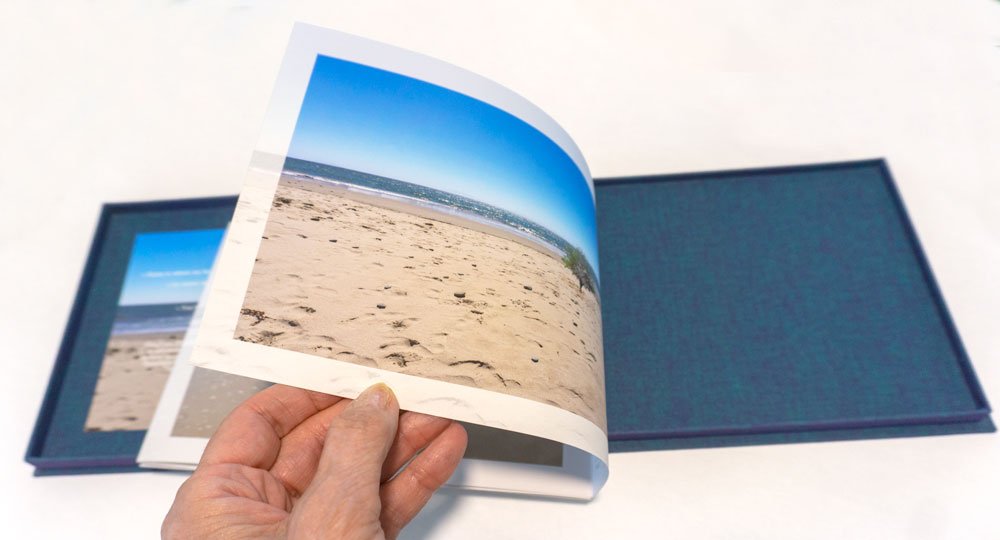
© 2025 Louise Levergneux. —folding the experience back onto its origin and returning the viewer to the book’s point of departure.
Rather than resolving transformation, the work remains within it, inhabiting the threshold where perception shifts and meaning is continually reconstituted. Paradigm Shift thus becomes a space of ongoing transition, shaped by meaning and defined by transformation as a continual condition of being rather than a singular event.
With that said, I am pleased to introduce Paradigm Shift, which was produced between March 2024 and November 2024 and exhibited as part of Ritual - an International Juried Exhibition of Book Art at 23 Sandy in 2025.
To view the book on my website, click here.
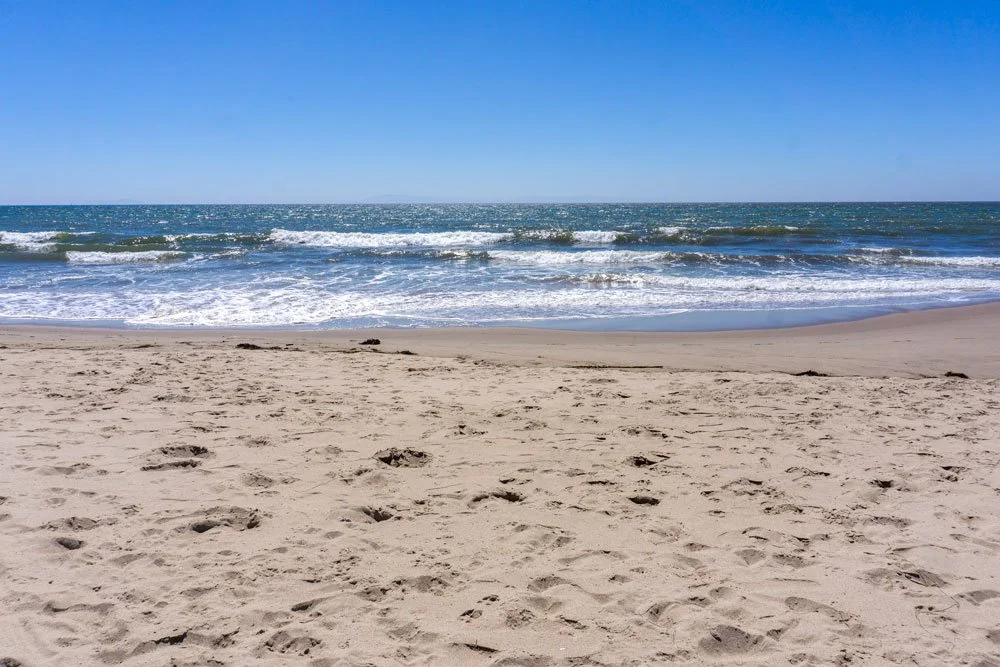
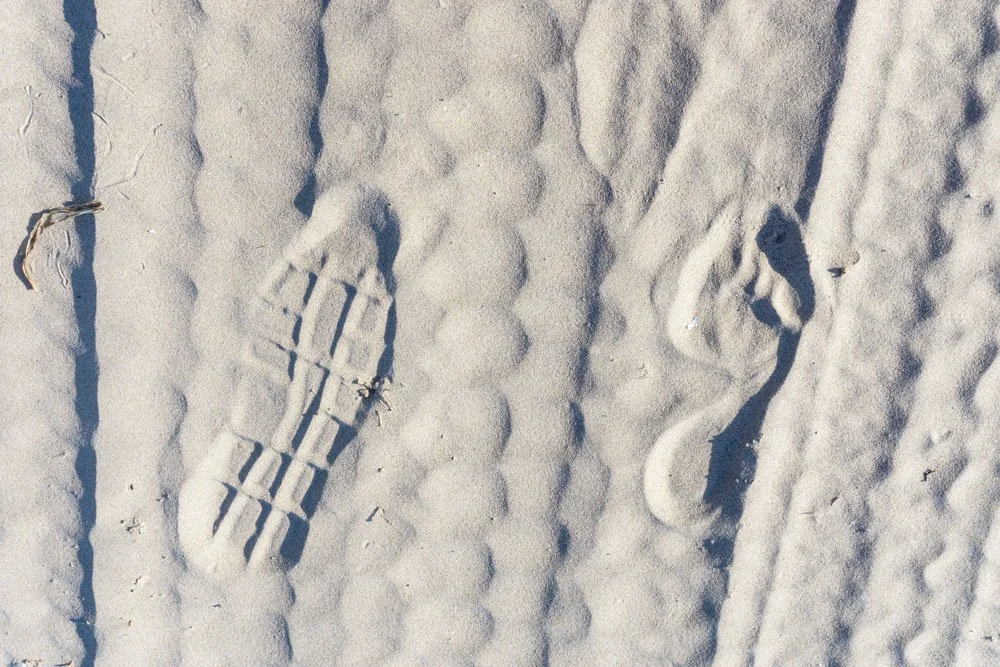
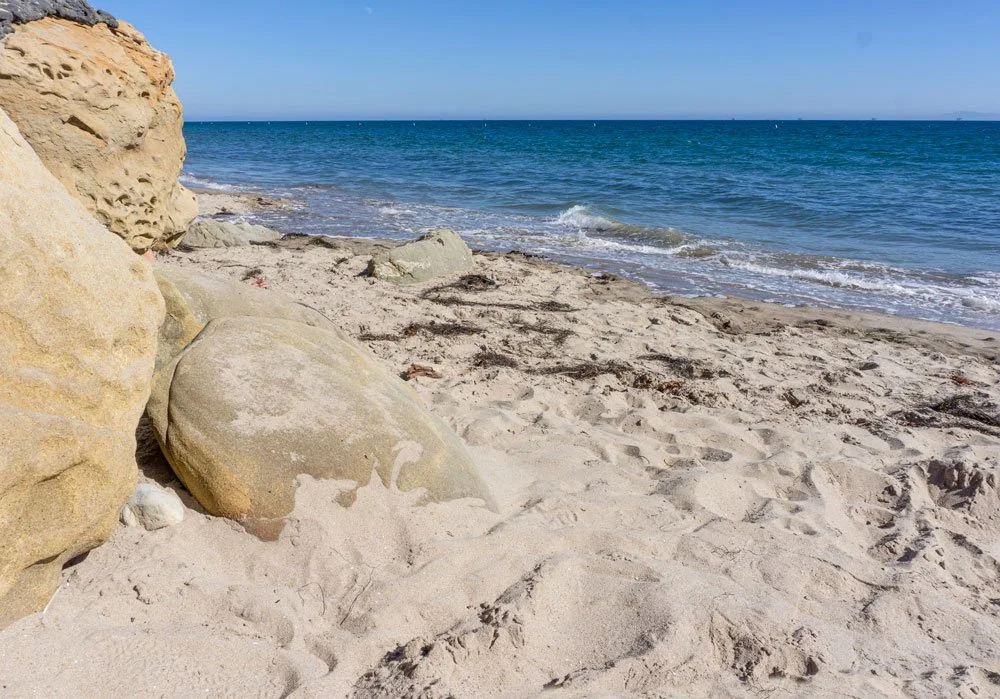
© 2023 Louise Levergneux. Originally captured at San Buenaventura State Beach in Ventura, California, this image is the background of the composite for the second page of Paradigm Shift, as shown in the photo below.
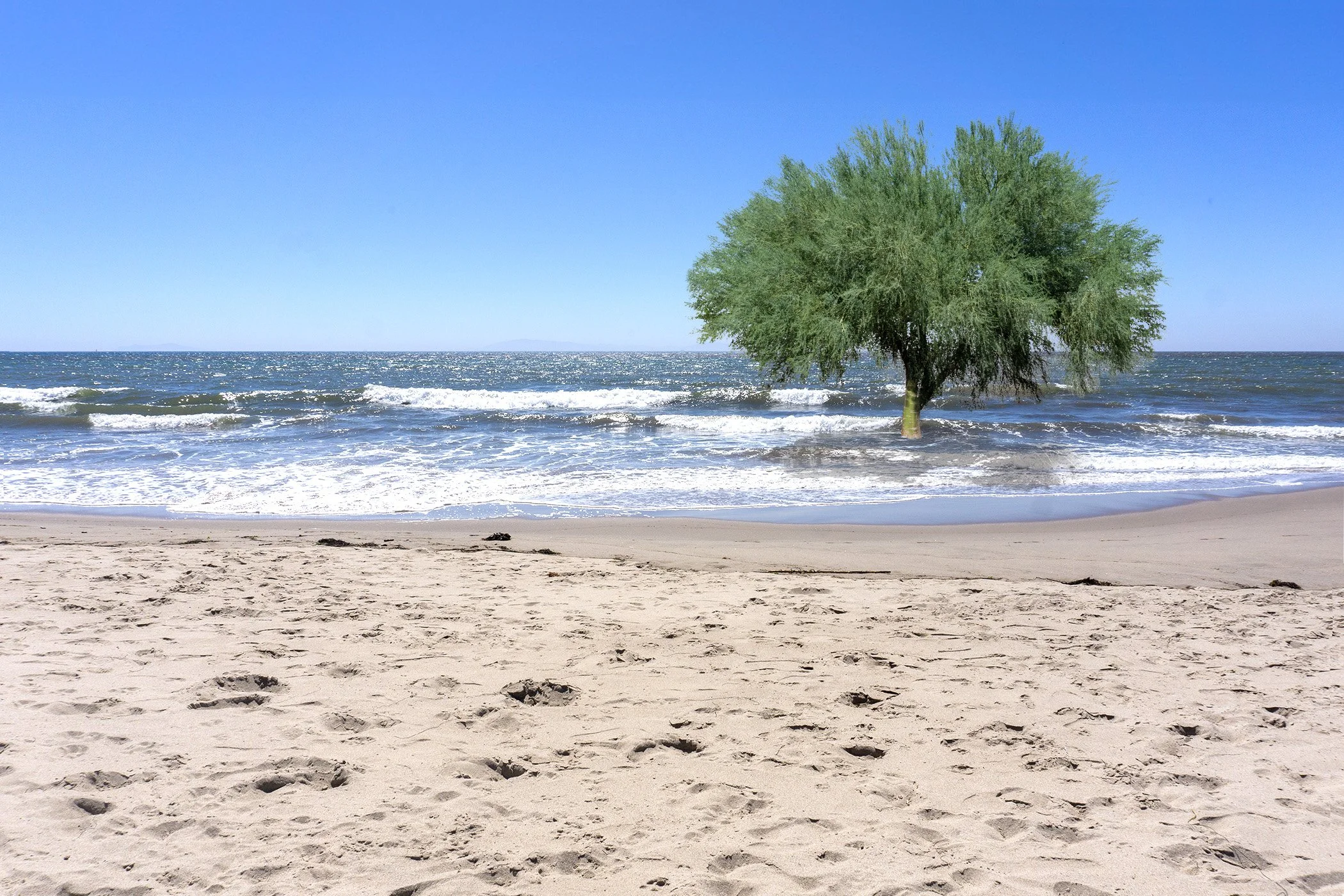
© 2024 Louise Levergneux. The photograph at San Buenaventura State Beach in Ventura establishes an important element of the work’s visual language, informing its larger narrative.